Valparaiso

We were up relatively early this morning and at 8 AM were the only people at breakfast. After breakfast Allan rested and I worked on photos and the blog before we headed to Valparaiso at about 11 (the breakfast room was filled at that time).  The drive to Valparaiso is mostly along the beach road and the ride was uneventful.  We took the photo on the left from atop a hill leaving Vina Del Mar and the photo on the right from atop a hill we climbed searching for a funicular.  In contract, Vina is beautiful and Valparaiso is shabby, at best.

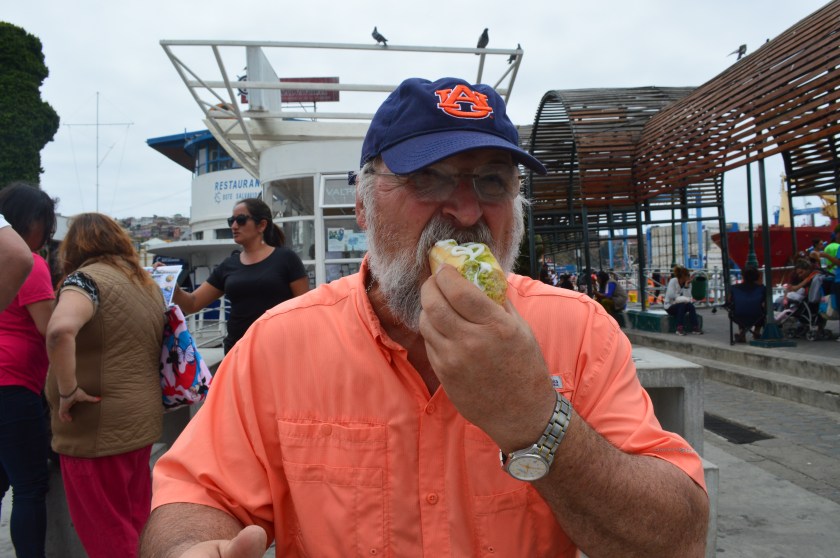
We spent the better of two hours walking, hiking and driving (Allan drove while I attempted to navigate) in “the hood” trying to find a funicular.  Ultimately, we did find the one we had been searching for, with street art from contemporary artists on the wall along the steep ride up and an open air art fair at the top, BUT it was closed for repair.  So, we gave up looking for funiculars and found our way to the port.  There was a small arts and crafts fair in Santomayor Plaza, an area dedicated to war heros.  I had chocolate covered strawberries on a stick and after a bit more strolling, we split a completo—hot dog on a soft roll with tomatoes, guacamole and mayonnaise.
3C747AFB-DF8D-4354-BA96-BDC23B962145

We agreed that it was good, but would be better with a really good hot dog—Nathan’s.  After watching people and the boats touring the harbor we decided to leave Valparaiso for the relative quiet of Vina Del Mar.

The beaches along Vina Del Mar were busy, people jogging, children playing and swimming, a group exercising to music, people riding bicycle carts, and people shopping at open air markets.  It reminded us of Venice Beach in California.

We ate dinner at a small restaurant that Allan discovered on the Internet, Donde Willy.  It was obviously a local hit that didn’t really get started until we were finished.  Our food was good and after dinner we walked along an active street, past a busy park and along the sea wall.  We managed to find ice cream to close our stomachs.

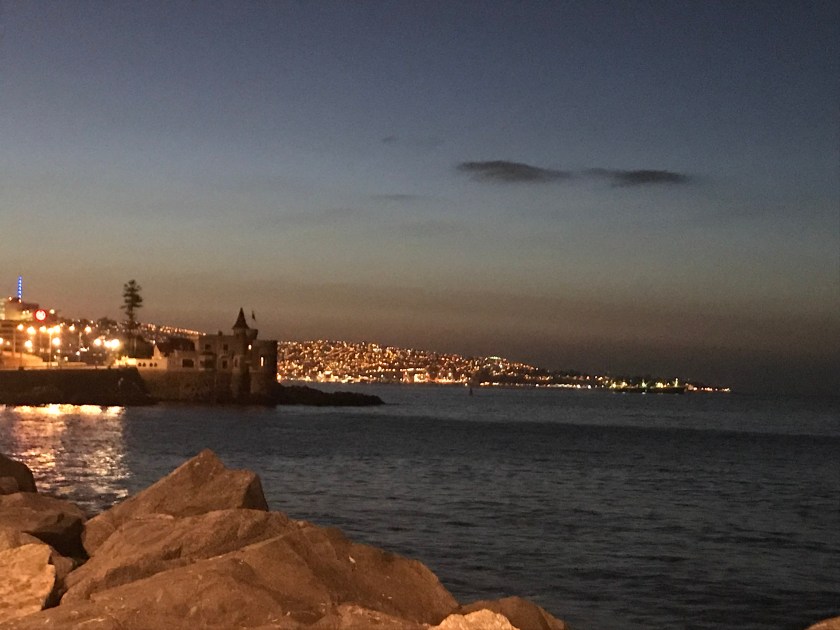
The Vina Del Mar area is in the center of a widened horseshoe with Valparaiso at one end and (probably) Con Con Beach at the other end.  The lights of Valparaiso with Wolff Castle as seen from the sea wall at Renaca is below.
95B40957-01F1-478E-87AA-6146206C252E

Vina Del Mar

When we arrived in Santiago last night the noise was almost painful!  WE had become accustomed to the peace and quiet of El Saltamontes and the street sounds of buses and cars, along with emergency sirens and the voices of what seemed like millions of people were deafening.

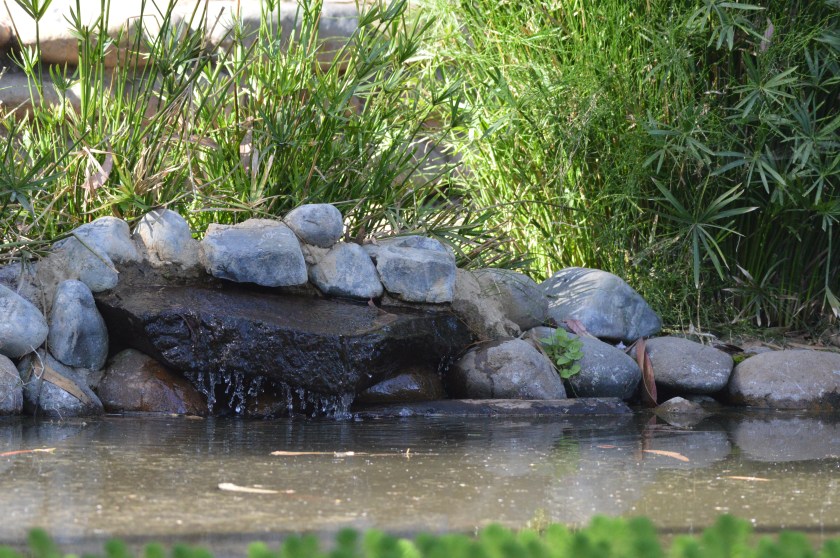
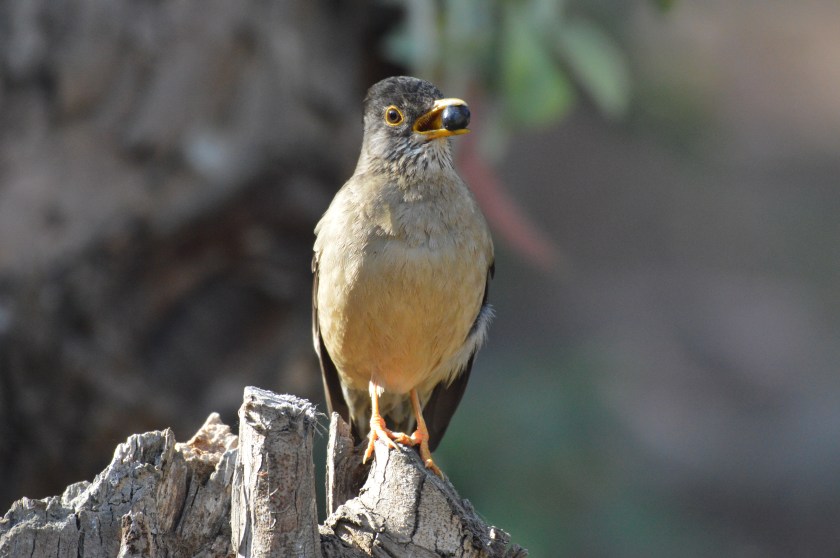
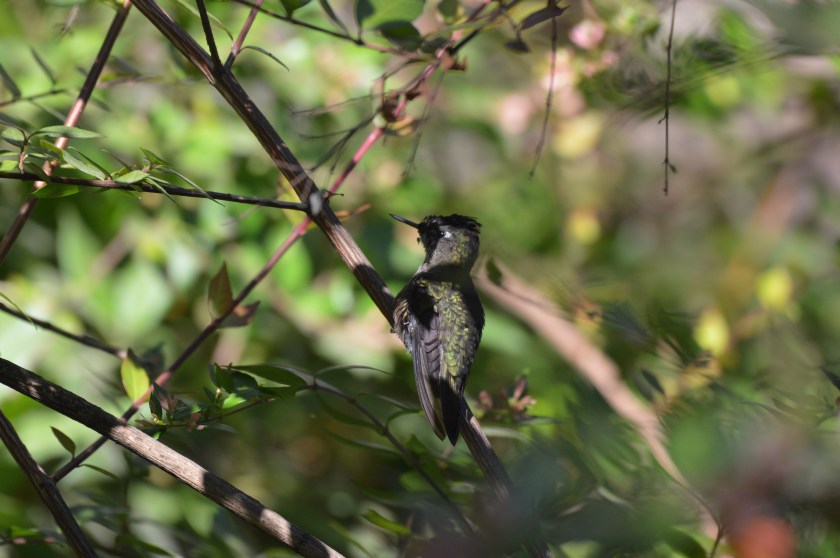
Allan and I left Hotel Plaza San Francisco and Santiago just before Noon in our rented Mazda with the GPS that speaks only Spanish.  We had a rough start because it took me awhile to get myself oriented and Allan isn’t too patient. After we left Santiago proper, all was well.  We drove for about an hour and a half over mountains and under and through them in tunnels  until we could see the sea!  The building are right on the beach at the base of the mountains and there were small sailboats and large ocean-going ships in the harbor.  The city traffic around Valparaiso aw we entered Vina Del Mar was stop and go, more stop than go.  We followed the road along a busy and lively beach then turned right and drove up and off road for a few blocks until our hotel appeared—brand new modern brick building behind a wrought iron gate.  We were offered and accepted a welcome drink (we each had Pisco sours) while we waited for the room to be ready.  It turns out the hotel sits amid a small forest (bosque in Spanish) of huge eucalyptus trees.  I walked up the hill to the middle of the bosque and searched for a very vocal bird, listened to the soothing water sound from a small koi pound and just enjoyed the beautiful warm (but not too warm) weather and peaceful solitude while Allan napped in our room.

0B7F4A4B-1431-4497-8C7B-7A4856DC9F0DF9568959-4251-4AB2-B458-38A9F6985E7D32028802-F320-4CFC-97F9-B099A14AB7E6

Around 6:30 in the evening, we took an exploratory ride, past Renaca to the small town of Concon, a little

further North.  There were lots of people driving very slowly along the beach road so we went up and were met by a very high sand dune with many people sand surfing and many more watching.  It reminded me of my youth and sand surfing in the Sugar Bowl dunes on Pensacola Beach—much smaller dunes, but the same exciting feeling.  At the big highway we turned around and drove back toward Renaca on the beach road where we were right on the water.  The entire mountainside was covered with terraced apartments and the beach was covered with people enjoying the sun and surf.  We did see cormorants, gulls, turkey vultures (really?) and Chilean pelicans, among other birds I didn’t recognize.


And, once again, returning to our hotel was an adventure.  After inching along on the beach road, we took a very sharp left and zig zagged our way over the big sand dunes.  We followed our GPS directions and ended up on a dirt road somewhere behind our hotel with the road we were supposed to follow blocked and apparently washed out.  Resourceful as we are and because it was beginning to get dark, we gave up on that route and found our way to the original route we had followed coming in to Vina Del Mar and arrived at the hotel safely.  For most of our dinner, we were the only guest dining.  It took us a bit of translating with Google, but we were able to safely order a beef filet for me and a beef ribeye for Allan.

Leaving El Saltamonte…

We were all up early and following an early breakfast we were off to Balmaceda for our flight to Santiago.  The drive in was something we had all experienced before but we again marveled at the clear rushing streams and the beautiful tree covered mountains, with occasional waterfalls.  Once again our plane ride was uneventful and Allan and I said goodbye to the Arthurs and Williams who were spending the rest of their vacation in Buenos Aires.  We decided to stay in Chile.

Allan and I picked up our Hertz rented car and spent the better part of an hour trying to program the GPS to get us back to the Hotel Plaza San Francisco.  Part of the problem was the fact that the GPS only spoke Spanish and the rest was my unfamiliarity with the Garmin technology.  Ultimately we did make it through the light traffic to the hotel.  We walked to the same area where we ate before El Saltamonte and found a tasty restaurant.  We wandered back to the hotel from the restaurant, wielding our way up and down small streets until we found avenue Bernardo O’Higgins.

Horseback riding

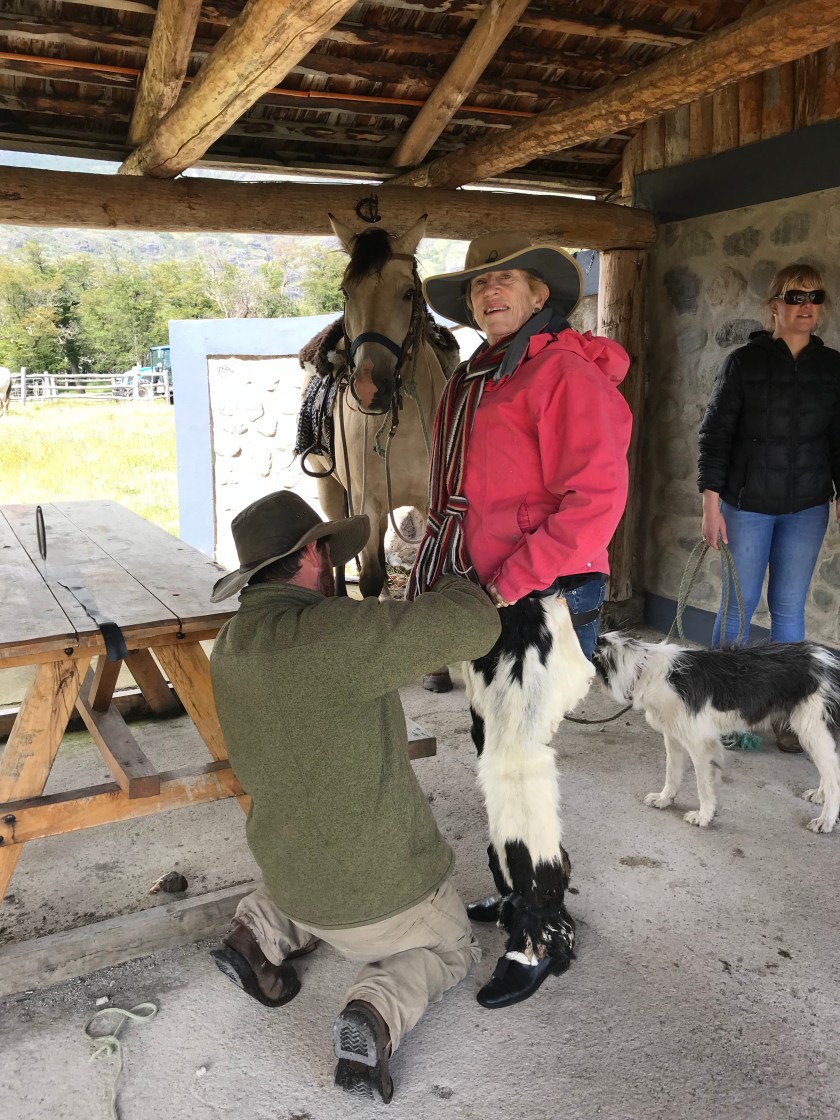
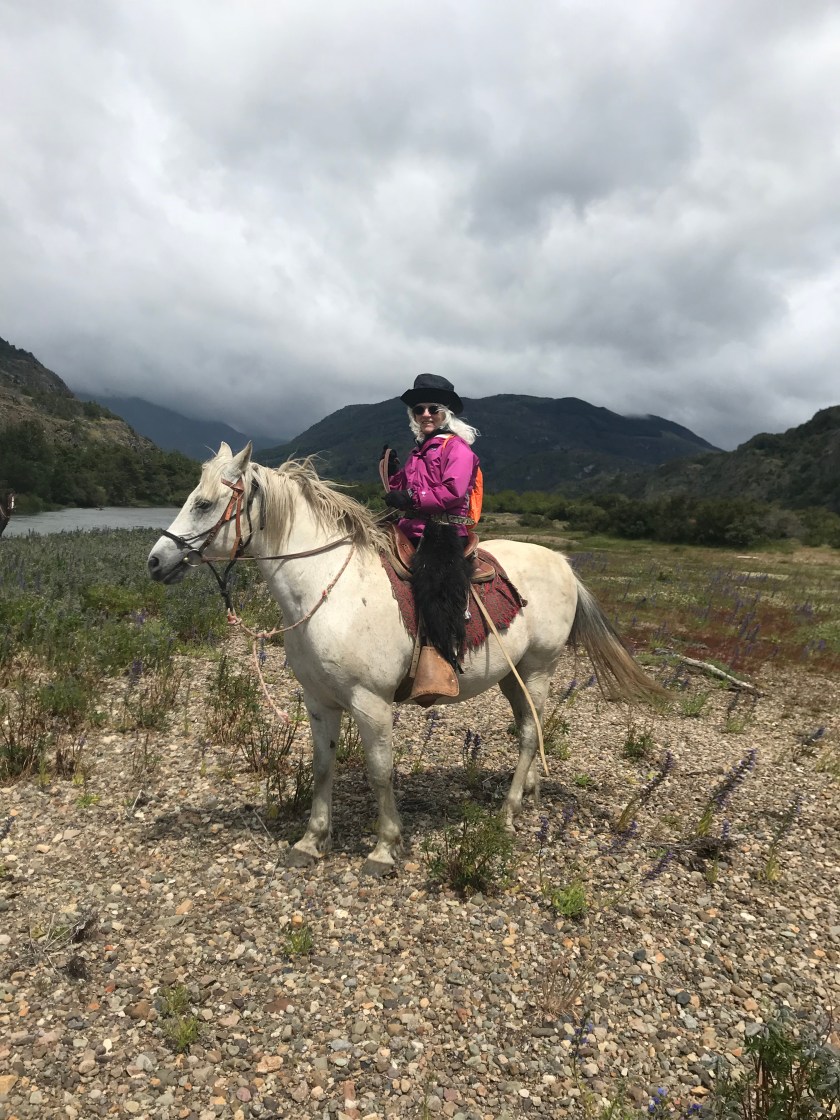
It rained and the wind howled for much of last night. We awoke to noticeable fresh powder on the mountaintops and each of us commented on our way to breakfast. In addition to many other treats, we have nalca jam at breakfast each day. It comes from the stems of the nalca plant which is in the rhubarb family. It is excellent on toast, tastes something like apple jam. After another hearty breakfast Diego rounded up and saddled three horses for himself, Brooke and me. C69BE606-8002-4A42-BAAA-7A5D736B0EBFD638F711-4A58-418D-8739-971902470A6AHe found full leg goatskin chaps to keep Brooke and me warm and safe from chafing and he donned leather chaps up to his knee. The horses were easy to manage, clearly ridden a lot by many different people. We rode to the western end of the property, stopping along the way to speak to the men fishing. Even though there was intermittent rain, it was a fun ride. I’ll be working with my horses more when I return. After lunch Brooke took another ride up the mountain and Connie and I read.

Allan thinks the men walked for miles in and along the river but did not catch too many trout.

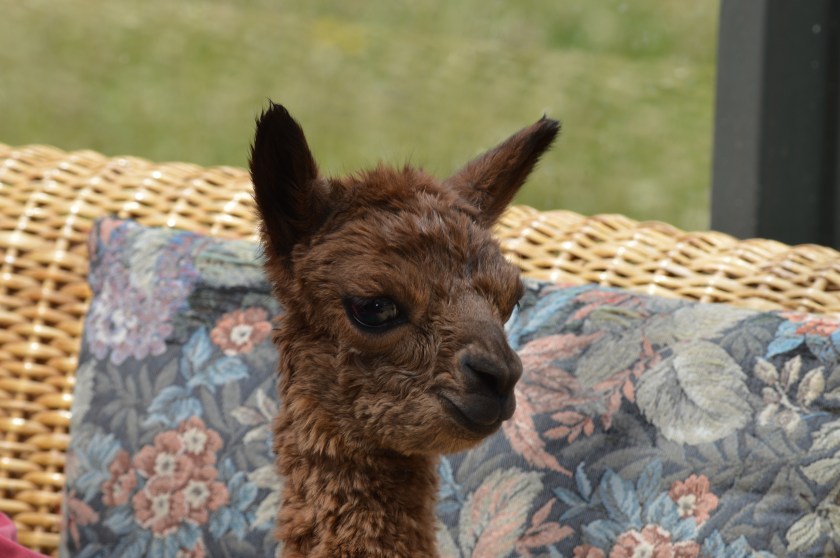
The excitement for the day came in the evening when we were greeted in the lodge by the baby alpaca. We took turns trying to make the sound that she makes in an effort to draw her to us. She, of course, has no fear of people and did not seem bothered by 6 to 10 people in the room with her. She did stop, smell and taste the cut flowers on the table. She bided her time while we ate dinner and while we had tea, Jose left to take her back to his house for a good night’s sleep.

Coihaique

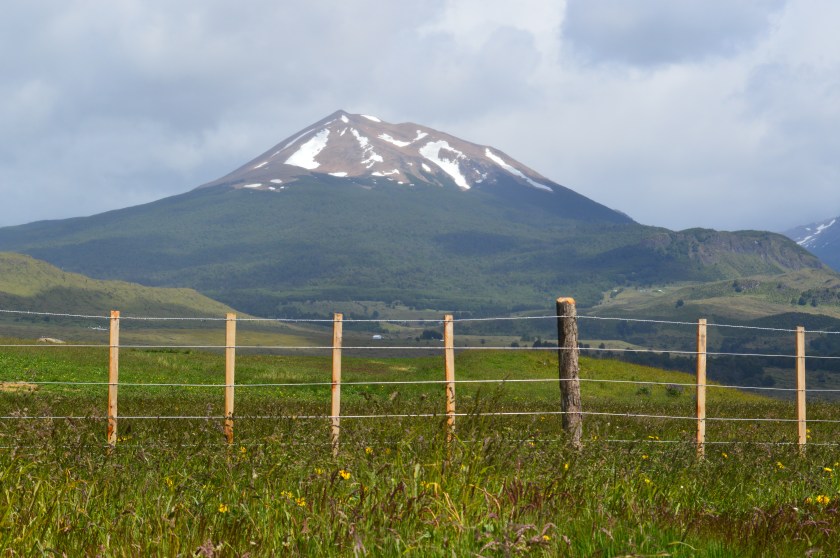
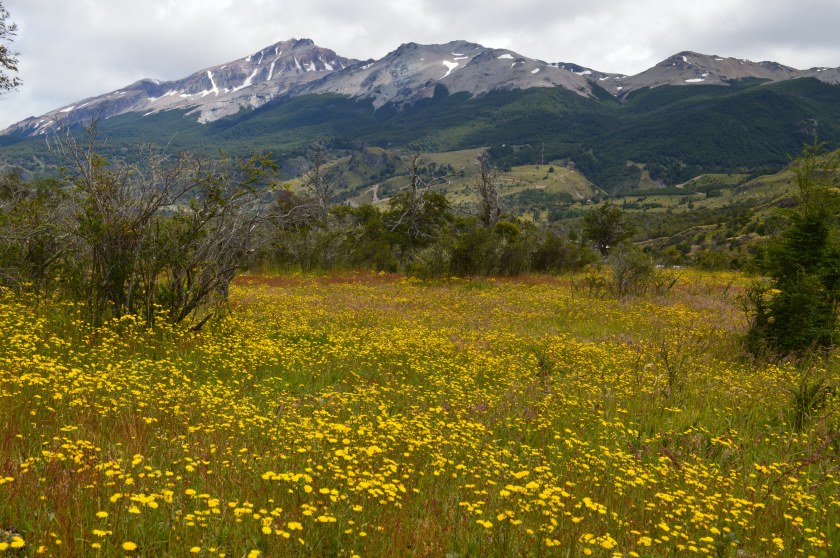
0C59A020-E5E5-425B-8D64-9B8FD4144DC2It rained hard and the wind howled all night. The wet weather persisted into the morning so after breakfast, Diego, Connie, Brooke and I decided to drive into the city of Coihaique for some shopping and sightseeing. The drive to the city was on the old back road, mostly hard packed gravel and dirt. We passed green mountains and Rocky Mountains, including Cerre Rosada (the big pink hill) and fields of either grass or lupine.
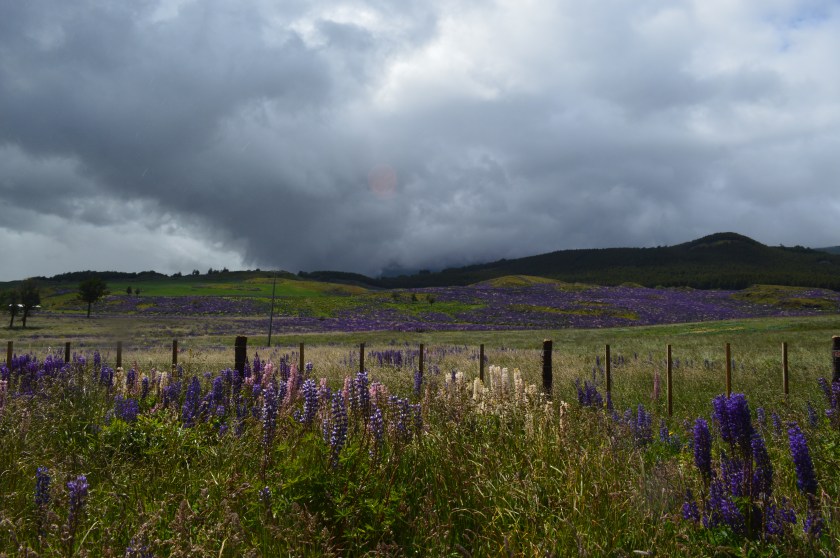
BE60B672-29BC-45DB-88D5-5CC8C8165F1D The lupine is beautiful (blue, pink and white tubular flowers) but its roots (rhizomes) tend to out compete the planted grass and ranchers are not so enamored with the beauty. Cattle do not eat lupine and it is difficult to clear it from the fields. Along the way we saw the small wooden church where Diego’s parents were married and he pointed out the small house up in the hills where he was born. We stopped at an overlook and took photos of El Plano de Coihaique down below us. It was a scenic drive and the rain quickly turned into bursts of sprinkles.

Coihaique is a small city; there are three in Chilean Patagonia–Puerto Montt to the north, Punta Arenas to the south and Coihaique in the center. The small city looked to us like a small town in Colorado with a small Central Park and very walkable streets. The flower gardens were gorgeous–huge roses in pinks, reds and white; orange and yellow zinnias; and many we couldn’t name. The long daylight hours and the climate encourage the flower proliferation. We ate lunch at Mamma Gaucha’s pizzeria and ate gourmet pizza (one was half caprese with huge fresh basil leaves and half mushrooms, pancetta and cream cheese; the other was half pepperoni and half 4-local cheese). Diego knew the owner of the restaurant, most of the waitresses and many of the patrons and other townspeople. Shopping never turned into buying, but there were beautiful handmade items including opulently soft rugs.

After lunch we took the more traveled and most scenic road home. This highway is one of the most scenic in Chile and has been marketed as such. It has attracted many tourists traveling both by car and by bicycle. We saw both. It is definitely scenic–we traveled along beautiful rushing rivers and more green and rocky mountains counting the small waterfalls as we drove. Connie commented that the mountains looked like they were leaking–water oozing from the shear faces making them shine. We stopped for photographs at Cascada de Virgen (waterfall of the Virgin), a majestic roaring waterfall. For the remainder of the drive we oohed and aahed at the beauty everywhere.

John, Clay and Allan spent the morning resting and reorganizing their gear before fishing after lunch.

Following a tasty dinner complete with lively conversation we had our chamomile tea and turned in. Another good day in Patagonian paradise.

C9E44C3C-71C6-4AF3-A613-A03FE8864349

Spinning and weaving

After another hearty breakfast, Brooke, Connie and I met Diego at the house to prepare Stumpy for our trip to town. Stumpy is a huge dappled Percheron horse with the biggest feet I can remember seeing on a horse. All of the horses are turned out to pasture for the winter so they need some work to remind them of their roles with humans. Stumpy is a work horse. We rigged him up to pull the buggy with four of us inside and it was a challenge. Stumpy has eaten well over the winter and the harness was difficult to cinch. But the humans prevailed and soon we were on our way out of El Saltamontes and onto THE road toward El Gato. On our journey Stumpy veered into every gate he saw hoping it would get him back to the barn, but Diego was persistent and it wasn’t long before Stumpy was trotting comfortably down the road toward the small house that Pamela and Sylvia call their workshop. They collect both sheep’s and alpaca’s raw wool after the shearing, wash it, comb it, spin it (on what looks like an elongated top), and wash it again. Only then are they ready to either crochet or weave the prepared yarn into beautiful scarves, blankets, bionas (hats that are similar to French berets and worn by the gauchos), and other items. Pamela demonstrated the spinning technique while Diego translated. We each purchased a souvenir before we were joined by John, Clay and Allan for lunch.

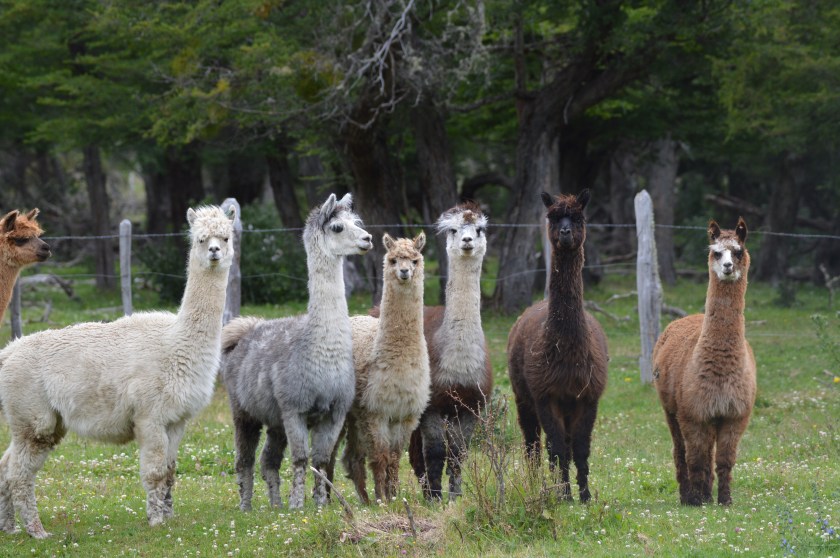
Alpaca wool is only the second finest in Chile. Four alpaca-like animals live in Chile, (in order of the wool quality) vicuña, alpaca, llama, and guanaco. Only the guanaco lives in this region. Vicuña live in the north and are smaller than alpaca; alpaca and llama live in various locales in the Andes. All are gentle and relatively easy to domesticate. Interestingly, Jose told us that a very large percentage of alpaca owners in the US are women.  Jose has about 100 alpacas that he shears every two years.  They are winsome animals and we enjoyed seeing them.

B68C9707-C8EA-4967-BB38-F40EBDDD905C

A restful afternoon followed our trip to/from El Gato (the closest small village) and we gathered for cocktails to share fish and Stumpy stories with everyone.

Valley of the Moon

42DA069A-6927-4FC5-8838-41F595FD4C78The new year brings the opportunity for my bird of the year–the first bird I see on New Year’s Day. And this year’s bird will be the tiuque (Spanish) or Chimango Caracara more commonly or Milvado Chimango scientifically. They are ubiquitous here at El Saltamontes and according to my book serve the same ecological purpose as the common crow in North America with many of the same obvious characteristics–a determined stride, raucous flocks, scavenging everywhere, etc.
We started the new year with a tasty breakfast of pancakes (we would call them crepes since they are so thin) served with majncar–tastes like dulce de leche but is made differently, granola, fruit and eggs (sort of ) rancheros. And, again we split up. The men went fly fishing with David and Cody while we women headed with Diego toward Argentina in search of rheas and condors. On the drive we visited several small villages associated with large estancias (estates). The large land owners, some as large of 230,000 acres built the small villages so that they and those who work on the ranches would have schools, community centers, markets and other conveniences that are not 45-50 miles away in towns like Coyhaique.

2073A6AA-9FB3-49E1-B941-38B34222A55F

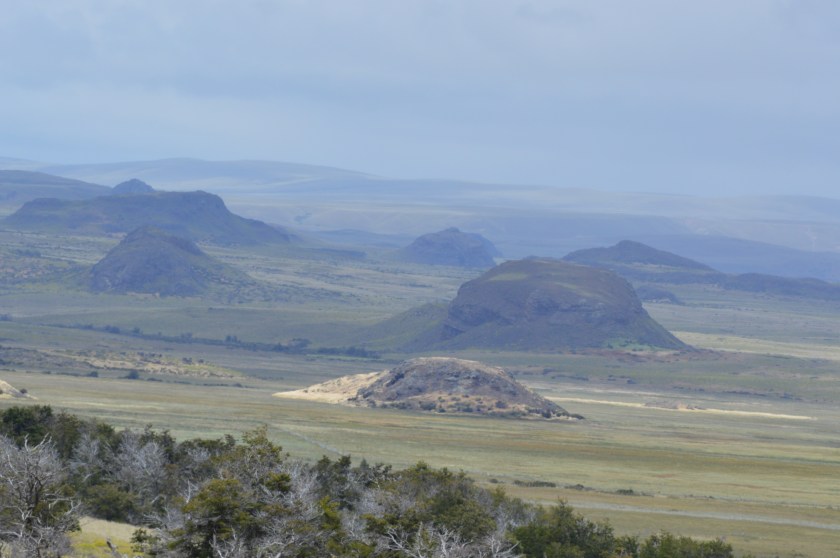
As we drove on THE road, we noticed that the further we went from the mountains in the west, the drier the landscape became. Our destination was the Valley of the Moon, so named because it looks just like the moon is imagined–rugged small hills jutting from the ground and scattered. We women were quite successful, finding a flock of 6 rheas, one of whom left us a beautiful feather. With the rhea we saw Magellan oystercatchers–I could not tell them from our American oystercatcher but I’m sure others can, Magellan geese and ashy headed geese. In fact after we left the rhea we rode along a very large man-made lake that was lined with the geese. Diego’s spotting skills are extraordinary. He is local so he has grown up with the flora and fauna of the area but it has been a pleasure bird-watching with him. Further on our drive, we came across three condors soaring–a majestic bird–and because of the strong winds today their soaring looked like a fun sky ride. We wondered whether it was fun or simply purposeful…

The men may not have been so successful in meeting their missions–not too many fish caught. But, they too enjoyed the beautiful scenery and fought the strong winds.

We drove back to El Saltamontes and saw that the alpacas had been moved to pastures closer to us and were met by Natalia (Jose’s grown daughter) with a baby alpaca in front of her on her horse. We took the baby so that the others could find the mother. Brooke held her in back of the truck and carried her inside the quincho to wait. Instead of a quiet afternoon resting, we sat with one of the cutest baby animals I’ve seen. When they rounded up the alpacas to move them the baby had just been born and was left behind. We were ecstatic when the baby was introduced and accepted into the herd, but ultimately disappointed when the herd moved and the baby was again left behind. Alpacas are not known for their mothering so Natalia picked up the little girl and Jose and family are going to do their best to raise her.C250FE5C-1A88-48BC-B544-4E7733DC0430

The remainder of the day was comparatively quiet and relaxing.

Chile

Our next adventure begins today!! The flight leaves at 4:30 this afternoon so I have made the most of the day. Took my constitutional walk of 5 miles at 5:30; drove to Poplarville at 8:00 to deliver 4 bales of hay (one at a time in the back of my car) to our hungry horses and returned home by 12:00 or so; finished the “throwing in” stage of packing; called an Uber and we’ve been talking about finances at gate D6 for the last half hour. the flight to Atlanta boards soon and starts the flight to Santiago, Chile.

Allan and I have arrived in Santiago! On time, easy flight but of course, a difficult and fitful sleep. Our first view of Chile from inside the airport showed that we are surrounded by mountains! Now on our way by taxi (slowly since there is traffic) to meet the Arthurs and Williams at the Hotel Plaza San Francisco. It is sunny, warm (75 now) and dry here–much like California.

dsc_0005-1

After arriving at the hotel, we visited with our travel companions and headed to lunch and a tour of Santiago by the red Hop-on Hop-off bus. Lunch was at a lively little area adjacent to the Universidad Catholica called Urrolia and we returned to bus stop number 8 across Bernardo O’Higgins street from Santa Lucia Park. Again, there was much traffic and slow going for our bus ride, but we were told about and saw from the street most of Santiago. It is a big city (give or take 8 million people) and very busy on Friday afternoon with people cashing their paychecks and beginning the weekend. The city has been through many different governments to arrive today at a true democracy. Valdivia founded Santiago in 1541 at the base of what is now known as Santa Lucia Hill.

After a nice nap we had drinks and dinner in the hotel lounge and restaurant called La Cascada. The menu was photographed and managed on a computerized tablet so it was an interesting experience. We must have had 5 waiters trying to help us with the tablets, bill us for the wine we had in the lounge, and take our orders–only one of the waiters spoke good enough English to be helpful. It was a relatively early night for Allan me and we look forward to arriving in Balmaceda, Patagonia (Chile) tomorrow.

Buenas noches,

Nancy

Last Days in France

Our last full day in Provence started at Saint-Paul-de-Mausole, just outside of St. Remy.  Following a lifetime of over-indulgence and belligerent behavior, Vincent Van Gogh voluntarily spent a year in this asylum.  He said, “I feel happier here with my work than I could be outside. By staying here a good long time, I shall have learned regular habits and in the long run the result will be more order in my life.”  He managed his vices in the asylum and painted about 150 paintings during the year he spent there.  It is such a calming and beautiful place; I can understand why he found peace and solace there.  Unfortunately for all of us, he died of his demons at 37.

Following our morning at the asylum, Allan and I spent some time wandering St. Remy, and all of us rested for a few hours after lunch.  I chose to skip the early evening event.  Having witnessed a bullfight in Mexico in the 70s, I had no desire to see another bull killed by a pompous matador.  I took a walk to town and spent most of the time reading.  Connie, Clay and Allan drove back to the amphitheater in Arles which was filled to overflowing for the Spanish style corrida.  In this event, three matadors fight (and kill) two bulls each.  They returned home after watching the first two matadors each fight one bull.

We walked to our final dinner in St. Remy at Cafe de La Place and enjoyed a bottle of wine from the Chateau Romanin winery.   The next morning we woke early, finished packing, cleaned the refrigerator and drove to Gare TGV (train station) in Avignon, where Allan and I took one train to Charles de Gaulle airport and Connie and Clay took another train to a station near their apartment for the next week in Paris.  We are spending Sunday night in the airport Sheraton, leave early in the morning and arrive in New Orleans mid afternoon. It has been a wonderful, relaxing vacation in Provence with our dear friends,  but we are ready to return to the regular routine of day-to-day life in New Orleans.

Bulls in the Arles Coliseum

Eygalieres is one our favorite nearby towns so we started our day at the Friday market there again this morning.  It is a quiet town with lots of greenery and flowers.  Many of our favorite vendors were there, the people are pleasant to be around and friendly.

We had a nice lunch at Les Gilles after Allan and Clay warmed up with some raw oysters from a lively market crew and we drove back to St. Remy for a short rest.

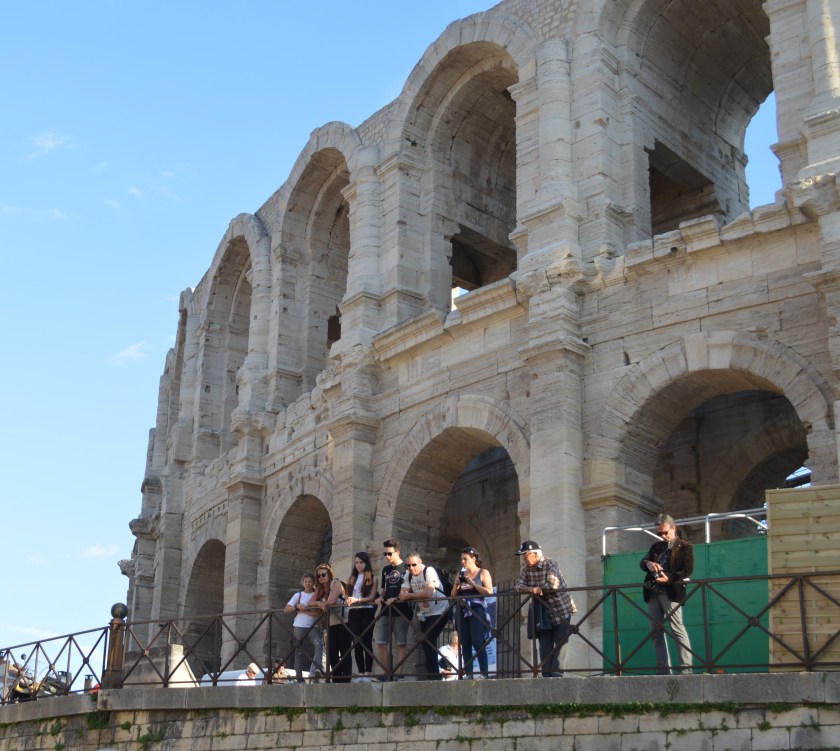
DSC_0530This evening we attended one event of the Féria, a local city-wide celebration in Arles marking the start of the spring bullfighting season.  The Féria is simply a three day party with a lot of Spanish music and festivities. The Friday evening event follows a Camargue bull run through the streets, controlled by Guardians (cowboys) on Camargue horses (we opted to miss the bull run).  Warming up to the event, we enjoyed a spirited band on the steps of the amphitheater and again on the floor of the arena.  Clay commented that he could not remember ever seeing anyone enjoy their job more than this bandleader.

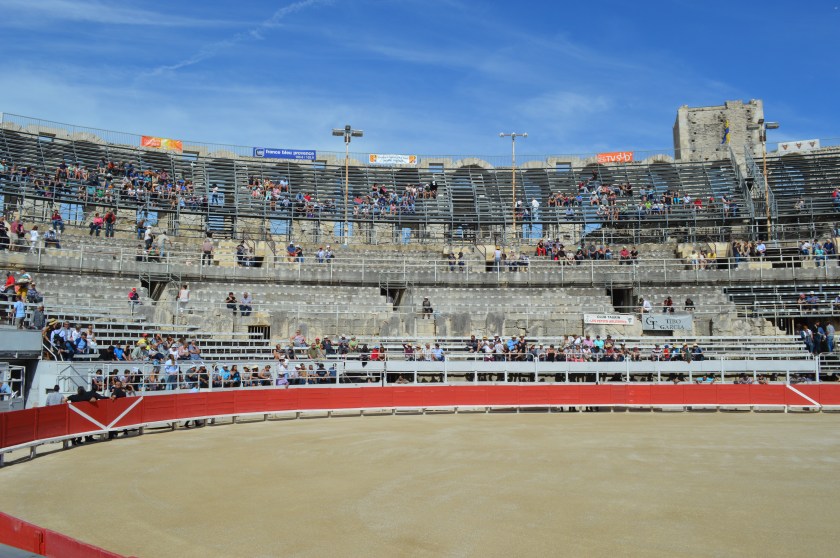
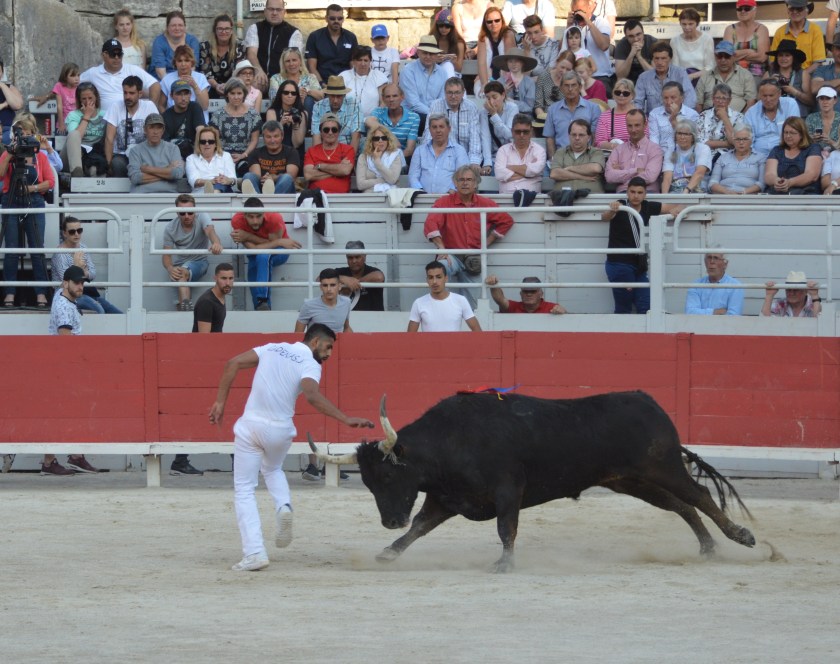
The 4:30 PM event in the Roman amphitheater in Arles is one of several events throughout the year that make use of this structure built in 90 AD. The seats at the top have, of course, been built and added to the amphitheater–they block the arched entryways. DSC_0043 Today’s event was the Course Camarguaise, a contest between man and bull where the men (razateurs) try to remove strings and rosettes made of yarn from the base of the bull’s horns.  At this razet there were two teams of eight (6 razateurs and 2 young men who enticed the bull) competing with each other and a small but strong and agile Camargue bull.  Each bull competed for 15 minutes and we saw 6 different bulls.  Mignon, last year’s champion bull and Joaquim Cadenas were the stars of this year’s show and it was thrilling and interesting.

DSC_0502Attached to the base of the bull’s horns are strings and two rosettes made of white yarn.  The razateurs are trying to remove the rosettes; the bull is trying to stop the razateurs!  We had many close calls, but no bulls, no razateurs, and no spectators were seriously injured today.  Two of the bulls did repeatedly jump the fence and trot around the outer ring sending spectators into hiding or the center ring!  We were fortunately in the second row and safe from stray bulls.

We enjoyed the two and a half hour event and along with everyone else cheered both the razateurs and the bulls.  In the end, Joaquim Cadenas (razateur) and Mignon (bull) were this year’s champions.

Arles was quite busy after the event, so we drove home and walked to Bistro Decouverte for a late dinner.

Nancy