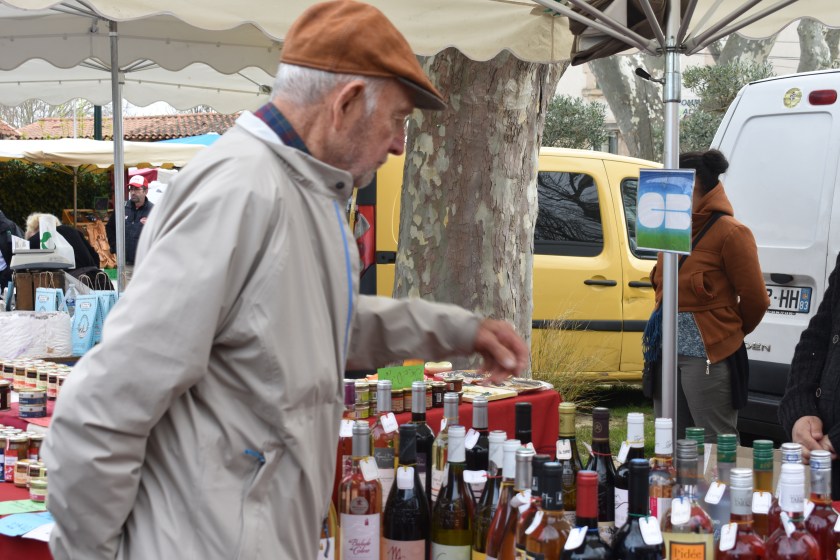
This morning Clay and Allan picked up Brenda and Rick from their overnight stay in Avignon and brought them to the villa to unpack a bit before our drive to the Eygalieres market. It is one of our favorites–snakes through the streets at the bottom of the hill and proceeds to the top of the hill in the center of town. This market is where Clay historically buys ladles and spoons made of horn. We all shopped (and bought) here before ducking in to Gilles for a tasty lunch of pizza (Italian with a French twist–goat cheese and jambon, for example) and a bottle of wine.


We dropped Connie at the villa to wait for Charlie and Patti, arriving from Marseilles around 4 PM. And, the five of us drove to Arles for the Course de Carmarguaise (a sporting match between two teams (8 men each) of people, all working to remove ribbons from a small, sturdy, fast bull’s horns. We watched 7 bulls compete. The competition takes place in the Arles Coliseum, built by the Romans in 90 A.D., this and others throughout Europe are clearly the model for our modern sporting venues. Pageantry introduces the games, but we didn’t understand French well enough to know who was presented to us. The beautiful Camargue horses (herds of them run wild in the Rhone Delta called the Camargue) strutted and carried this year’s royalty.


As in all of the games associated with bullfighting, this one doesn’t seem fair to the bull. There are 16 people that the bull has to deal with and he is teased and bothered by them throughout his 15 minutes in the ring. The men work hard using a claw-shaped metal instrument called a raset in their hands to get two white rosettes off of the horns and a red rosette from between the horns before removing the twine wrapped around each horn, and all while the bull charges them. Two men on each team are the teasers and the other six are the raseteurs.


When the men are chased by a charging bull, they step on a white step at the bottom of the red fence, tap the top of the fence and fly over, grabbing a metal bar and dropping to the ground safely behind the red fence. Often the bull runs around the entire ring, sending all 16 men scrambling over the fence.
The Arles Coliseum and the historic town of Arles are beautiful and I couldn’t resist a few photos as we walked through the town to our car.


Dinner included all 8 of us, Charlie and Patti arrived safely from Marseilles. We ate at home again, sure that our newest arrivals would be exhausted from their travels. Happy hour was happy; supper was super; and the bed was quite welcome.







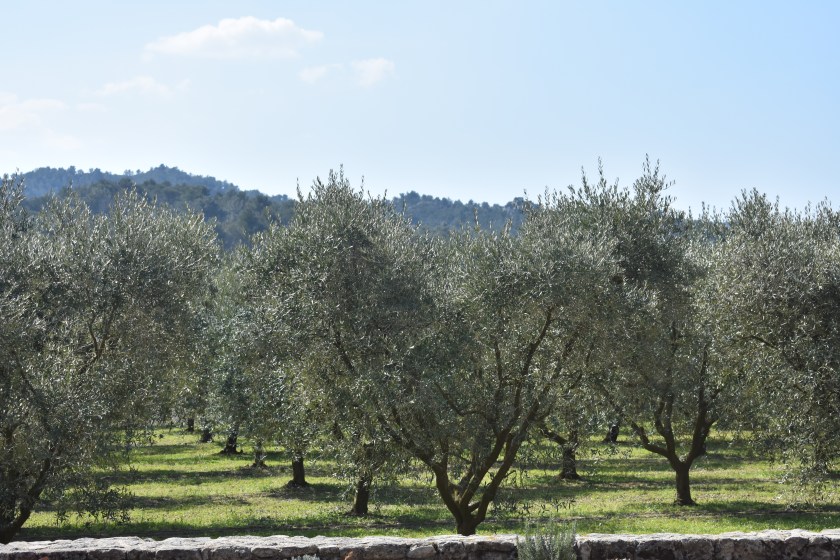 First drive of the day was over and through the Alpilles to a grower/processor/seller of all things olive called Moulin Calanquet. Last year we had a tour there that taught us a lot about olives. This producer uses every part of the olive tree for something so they sell spoons and bowls made from olive wood, olive tapenade, olive soap and of course, olive oil. The “olive season” begins next week so the processor was short-handed today and could not fulfill Clay’s needs. We moved on to Moulin CastelaS and found what we needed. Generally, this area of France is the most prolific producer of olives in France. The groves are extensive and many of the trees are very old.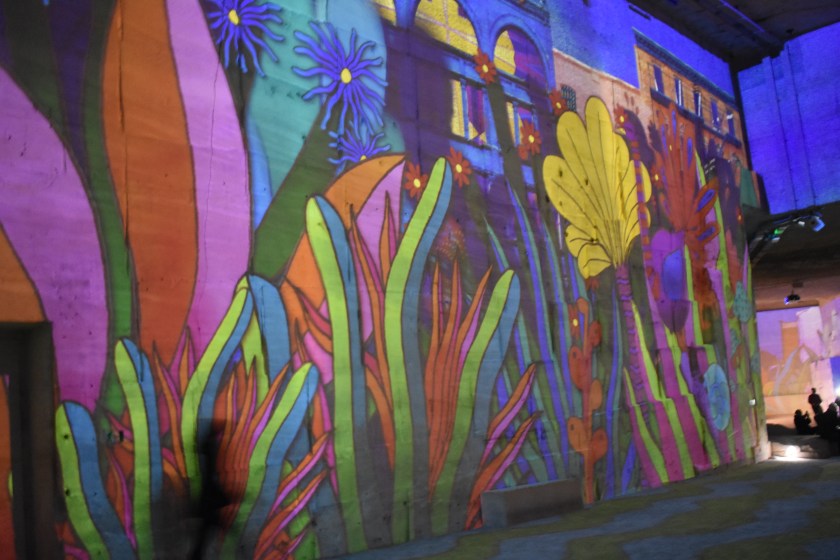
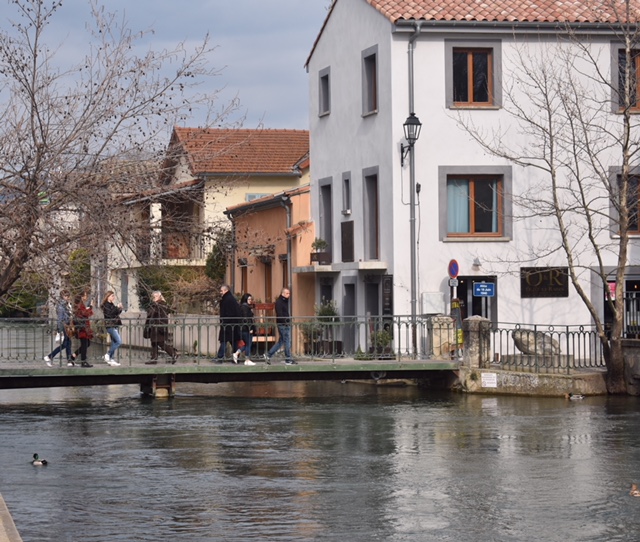 The Sorgue is a clear river that runs through this village and divides the small village into several iles, thus the name. The river has historically been of huge importance to the village. According to Wikipedia, “As early as the 12th century, the river served defensively as a moat around ramparts which surrounded the town until 1795. The river also served as a source of food and industry: fishing and artisan mills for oil, wheat, silk, paper, woolenry, rugs and dyeing. A busy commerce developed until there were two annual fairs and two weekly markets. The current Sunday open-air market originated on 9 November 1596. ” Now, the town is famous for its many antique shops and hosts antique markets most Sundays. Along the river many
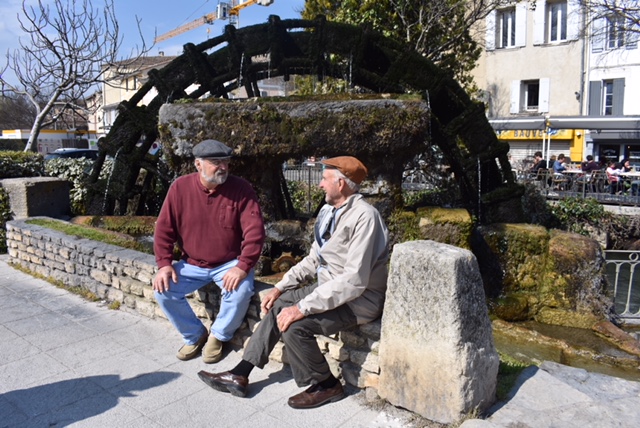 attractive water wheels throughout the town are still in working order. We returned to this village to visit the Sunday antique market, but we arrived a little early so we visited many antique stores as well as local establishments. I found the perfect round, cotton Provencale (traditional Farandole pattern) table cloth for the table in the Vendome patio and Connie found olive-related gifts. No one bought antiques, but all of us were tempted by something we saw. Lunch was at an outdoor cafe named La Cabane Restaurant where we all had fresh salads and Connie and I split a cafe gourmand for dessert. If you’ve never had cafe gourmand, you are missing a treat–a small cup of espresso coffee and small portions of very chocolate mousse, tiramisu, and Victorian cream–yum!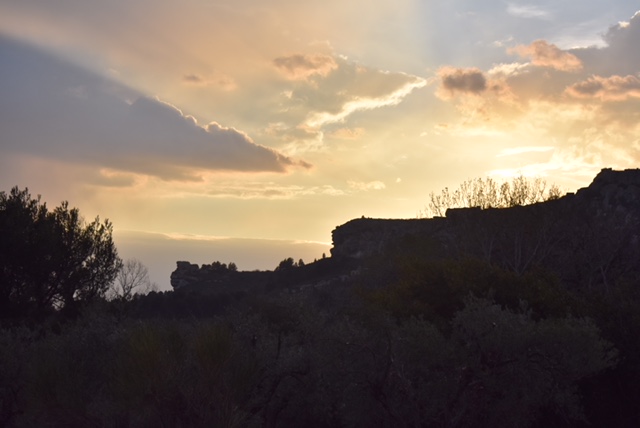
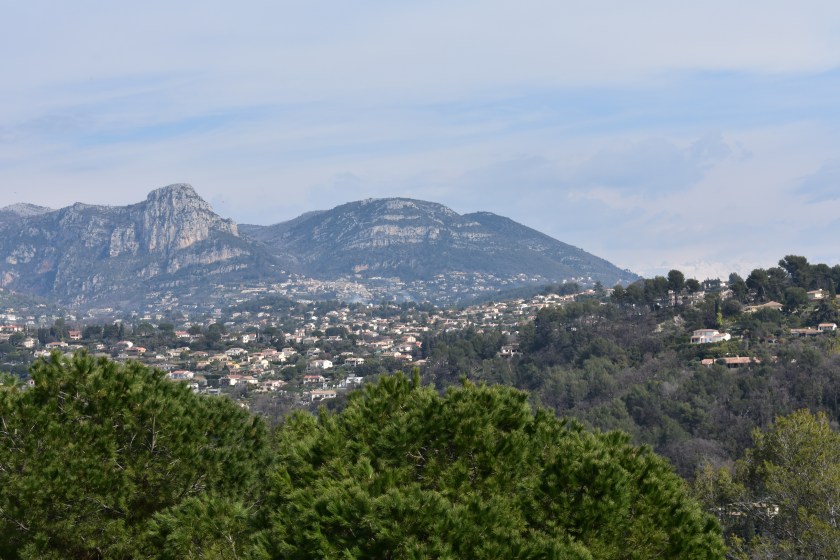
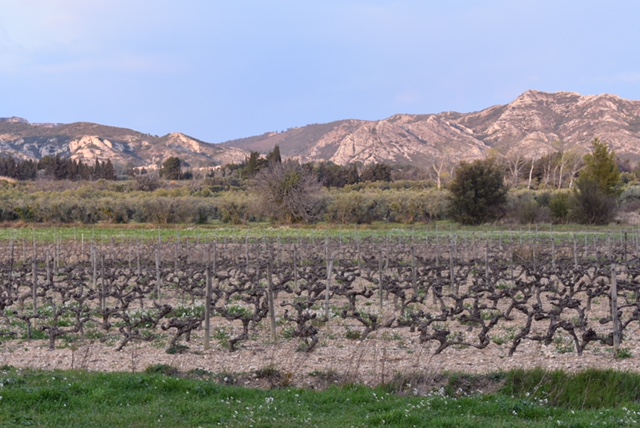 On our drive home we had a beautiful view of Les Baux and the Alpilles mountains behind a vineyard between St. Remy and Maussane a little before sunset. As seems to be the usual here in Provence, it was a beautiful day.


 Wandering through Paris as we’ve done for these past few days made me more aware of the similarities and differences between Paris and New Orleans. The Seine and the Mississippi are vastly different, but their respective roles in the success of the cities are much the same. Some of the streets in both New Orleans and Paris follow the river, many are one way, and even some of the names are the same in Paris as in New Orleans. Where I find New Orleans beautiful sometimes, the parts of Paris where I’ve been are all beautiful and interesting.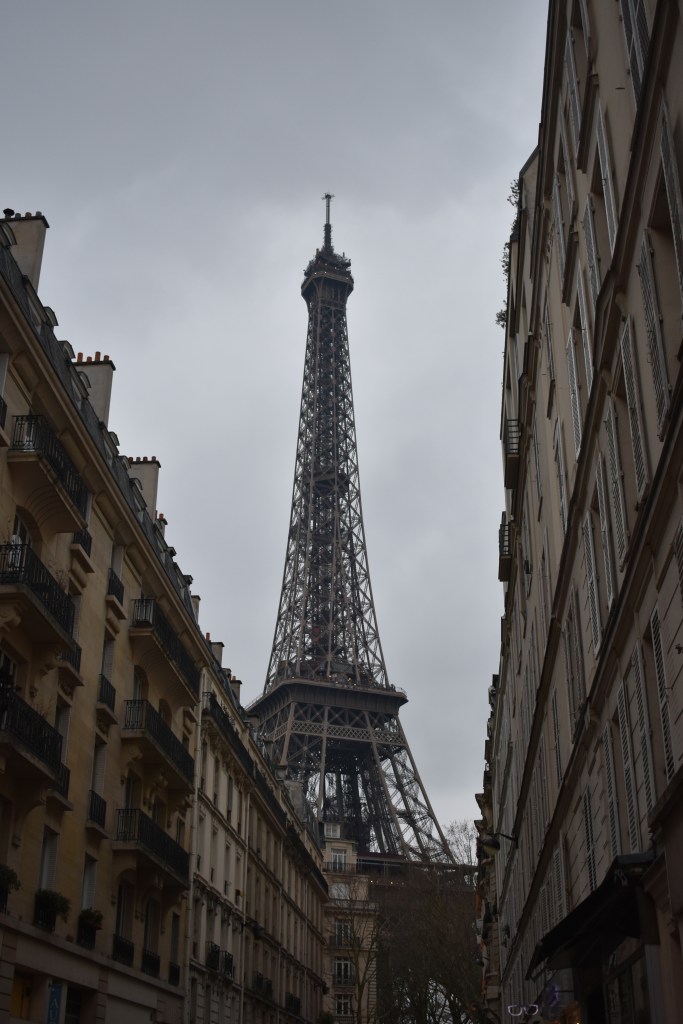

 Cocktail hour was followed by an early dinner at La Cuisine de Philippe which was so French! I started with an Emmental Cheese Soufflé, moved on to fresh seafood ravioli, and ended with a salted caramel soufflé. All of us had something wonderful and Philippe, complete with his chef’s hat, greeted us before we finished dessert. We all went straight to our homes in Paris and Allan and I didn’t leave the hotel again until close to 10 AM Thursday.
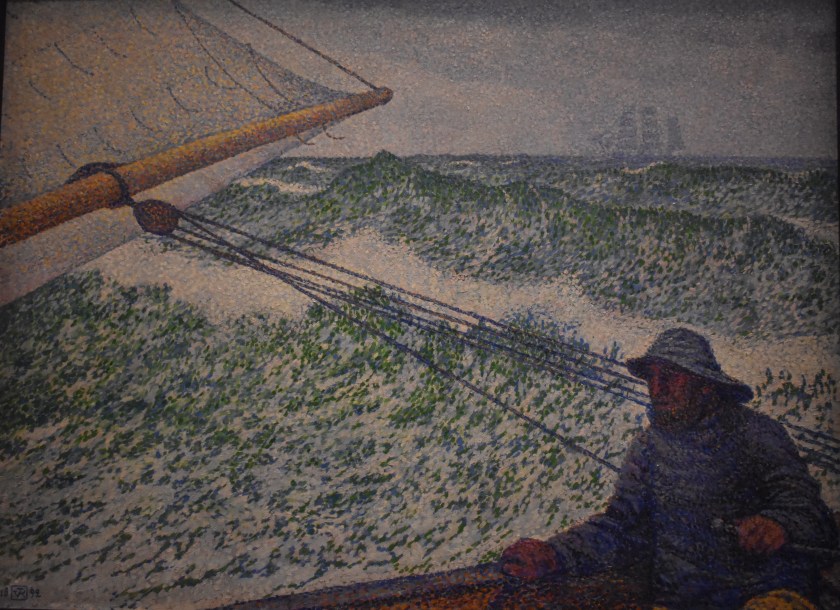 Allan takes photos of the pictures that we like most and plays them in a continual slide show on the kitchen computer. We have lots of favorites in these eras.
 One of my favorite things about many of his sculptures is that the feet and hands always seem too big.
 Latest Travels