We left Vina Del Mar and drove southeast through mountains, small towns and occasional traffic for much of the day. Cell service is very good on the roads so we have ditched the Spanish Garmin in favor of Google Maps. Allan is a much calmer driver now that I no longer navigate. The drive took us through both wild and cultivated land—grapes, strawberries, corn, apricots, nectarines, trees and many other products we did not recognize from the road. We arrived at Posada Colchagua in the Colchagua Valley wine route about 4 PM and were met by our lovely hostess.
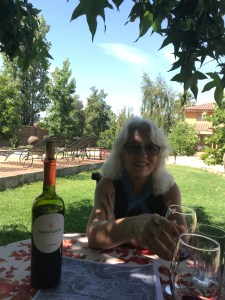
After moving our things from the car to our room we met our hostess in the garden under a sweet gum tree for a glass of carmenere wine (turned into several glasses!) from the closest winery. She also gave us hand drawn maps of the area and her recommendations for tours and eating. Fortunately she spoke some English and with my not-so-good Spanish we were able to communicate quite well. She is an ideal innkeeper, happy and helpful. We learned a bit about the small town of Santa Cruz and decided to follow her winery recommendations in the morning after a restful evening at the posada.
I woke early, got dressed and sat outside in the courtyard to greet the day with the local rooster and a noisy flock of sparrows. We had a filling breakfast and set off. Since the first winery we came upon was Mont Gras, we stopped there.


We had scheduled a tour for later in the day at another winery so we just wandered in to reception where a gentleman suggested that we join a tasting in about 15 minutes. Wine and accompanied pairings made a perfect mid morning snack and we left Mont Gras with three bottles of their Carmenere wine. We also tasted Cabernet Sauvignon and Sauvignon Blanc; all very good. I don’t usually enjoy Sauvignon Blanc, but our taste at Mont Gras was excellent. This vineyard is filled with many different varieties, including Carmenere, a grape which was all but destroyed in a Phylloxerae (small insects) plague in France in 1867. Luckily, someone had brought the vine to Chile in the early 1800s and it is one of a few locations that are not afflicted by Phylloxera.
After leaving Mont Gras we drove up and down the wine route, looking at vineyards, grand entrances to wineries and small shops and fruit/vegetable stands. Our next scheduled stop was at Viu Manent winery for lunch at Rayuela…another beautiful estate. After parking under a grape arbor, we sat in a glass enclosed outdoor area and enjoyed the other diners, the view of vineyards and a park for horse jumping festivities. We relaxed here over another bottle of Carmenere wine and too much food and were ready for our afternoon nap. Since it was 3:30 PM, we cancelled our 4:30 wine tour and returned to our B&B for a rest. Dinner was leftover from lunch and some fruit we purchased on our drive.


It has been a great visit in the Colchagua Valley and we leave tomorrow for the Coast.
Buenas Noches,
Nancy








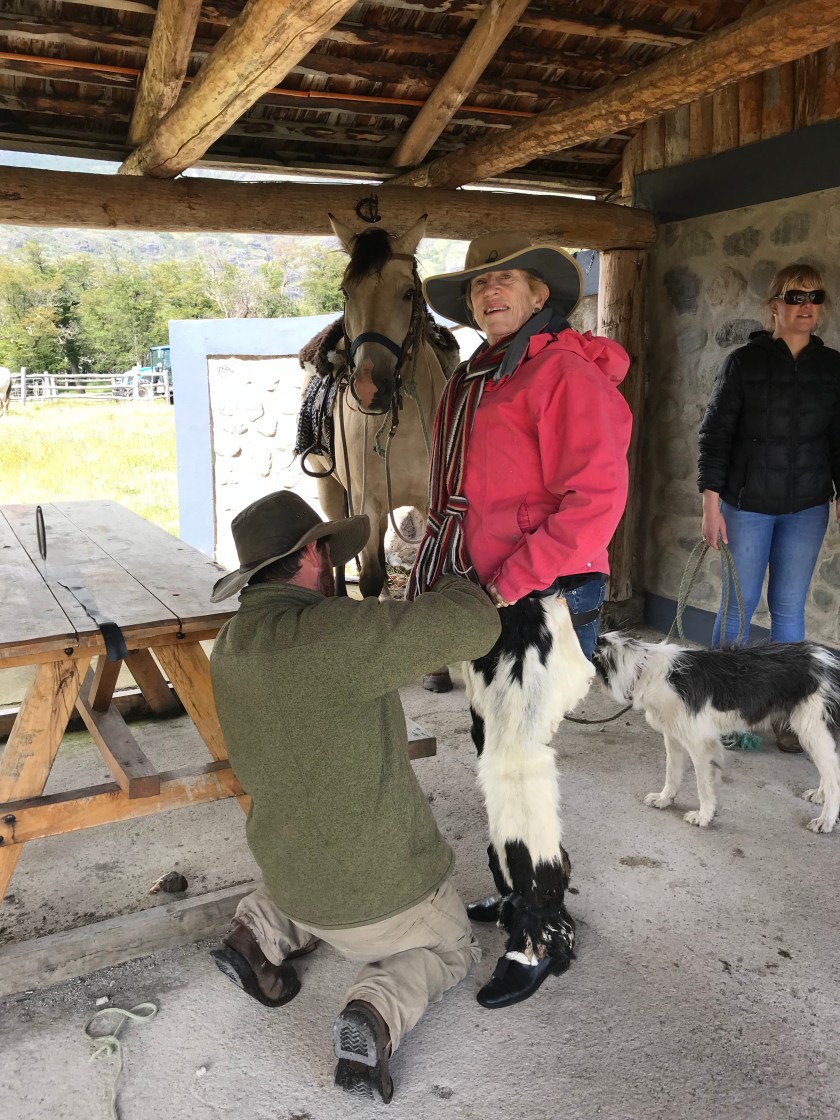
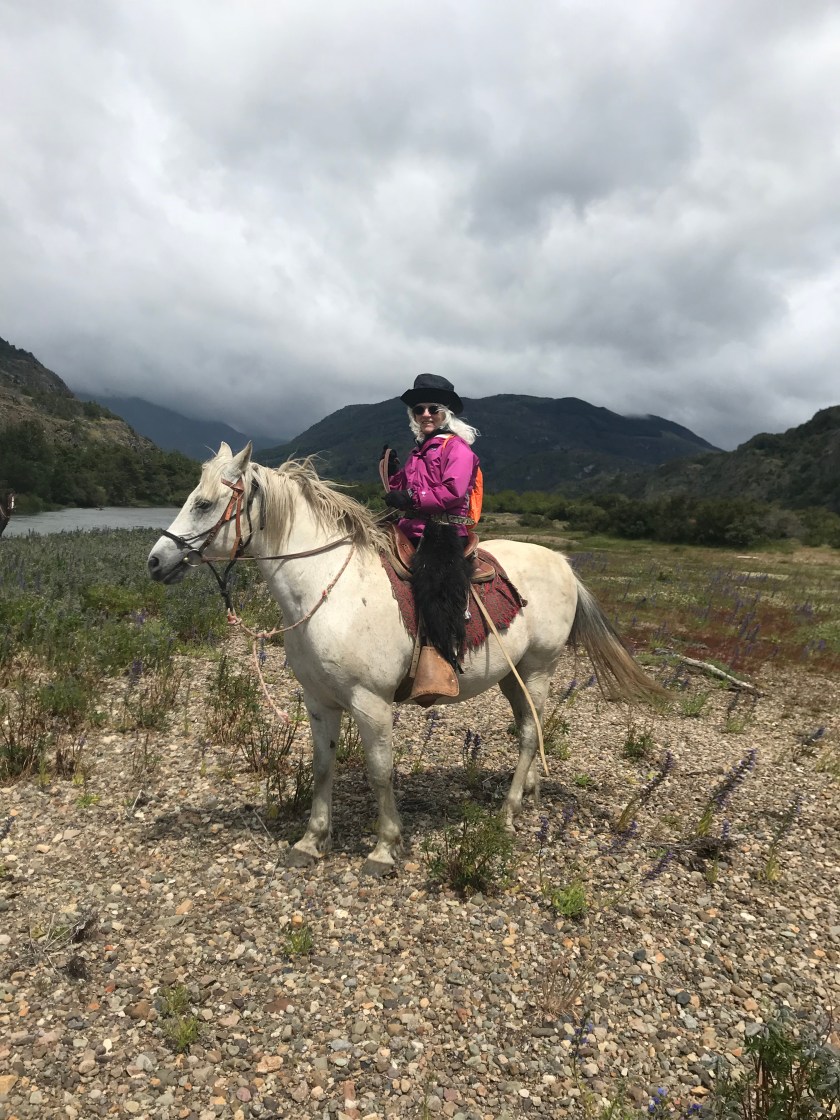 He found full leg goatskin chaps to keep Brooke and me warm and safe from chafing and he donned leather chaps up to his knee. The horses were easy to manage, clearly ridden a lot by many different people. We rode to the western end of the property, stopping along the way to speak to the men fishing. Even though there was intermittent rain, it was a fun ride. I’ll be working with my horses more when I return. After lunch Brooke took another ride up the mountain and Connie and I read.


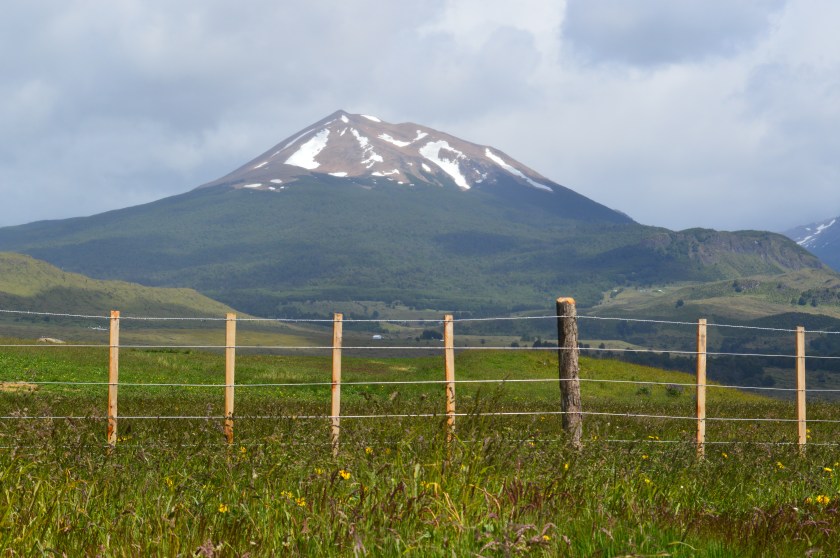 It rained hard and the wind howled all night. The wet weather persisted into the morning so after breakfast, Diego, Connie, Brooke and I decided to drive into the city of Coihaique for some shopping and sightseeing. The drive to the city was on the old back road, mostly hard packed gravel and dirt. We passed green mountains and Rocky Mountains, including Cerre Rosada (the big pink hill) and fields of either grass or lupine.
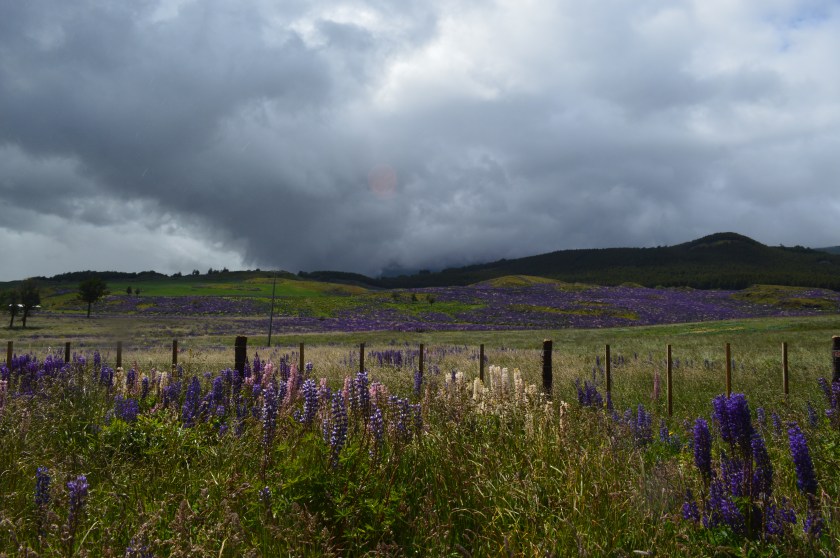 The lupine is beautiful (blue, pink and white tubular flowers) but its roots (rhizomes) tend to out compete the planted grass and ranchers are not so enamored with the beauty. Cattle do not eat lupine and it is difficult to clear it from the fields. Along the way we saw the small wooden church where Diego’s parents were married and he pointed out the small house up in the hills where he was born. We stopped at an overlook and took photos of El Plano de Coihaique down below us. It was a scenic drive and the rain quickly turned into bursts of sprinkles.




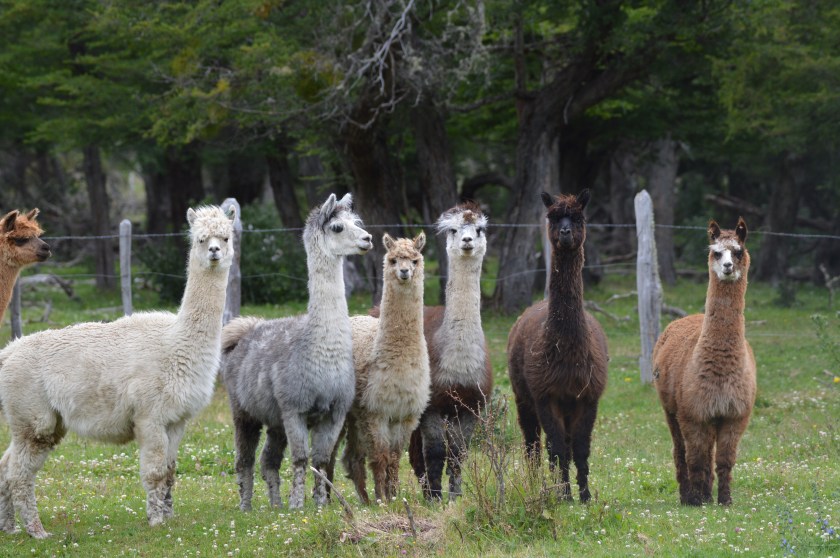
 The new year brings the opportunity for my bird of the year–the first bird I see on New Year’s Day. And this year’s bird will be the tiuque (Spanish) or Chimango Caracara more commonly or Milvado Chimango scientifically. They are ubiquitous here at El Saltamontes and according to my book serve the same ecological purpose as the common crow in North America with many of the same obvious characteristics–a determined stride, raucous flocks, scavenging everywhere, etc.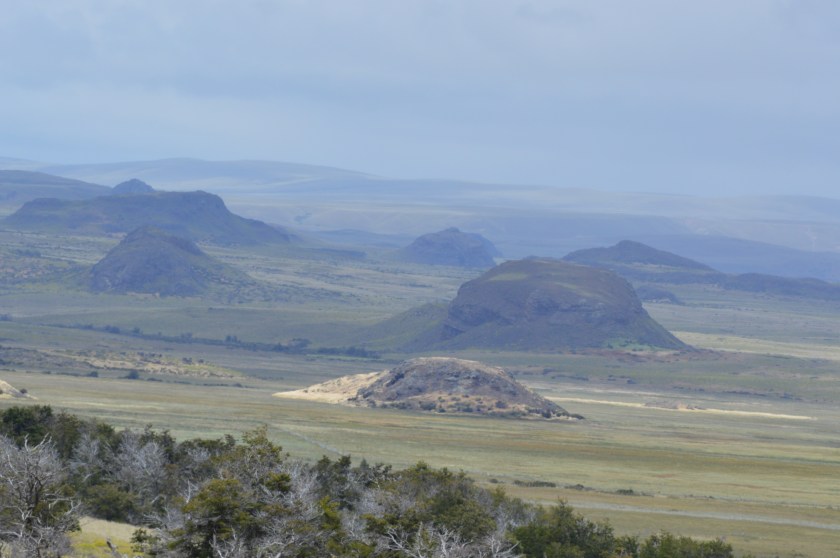


 Latest Travels